


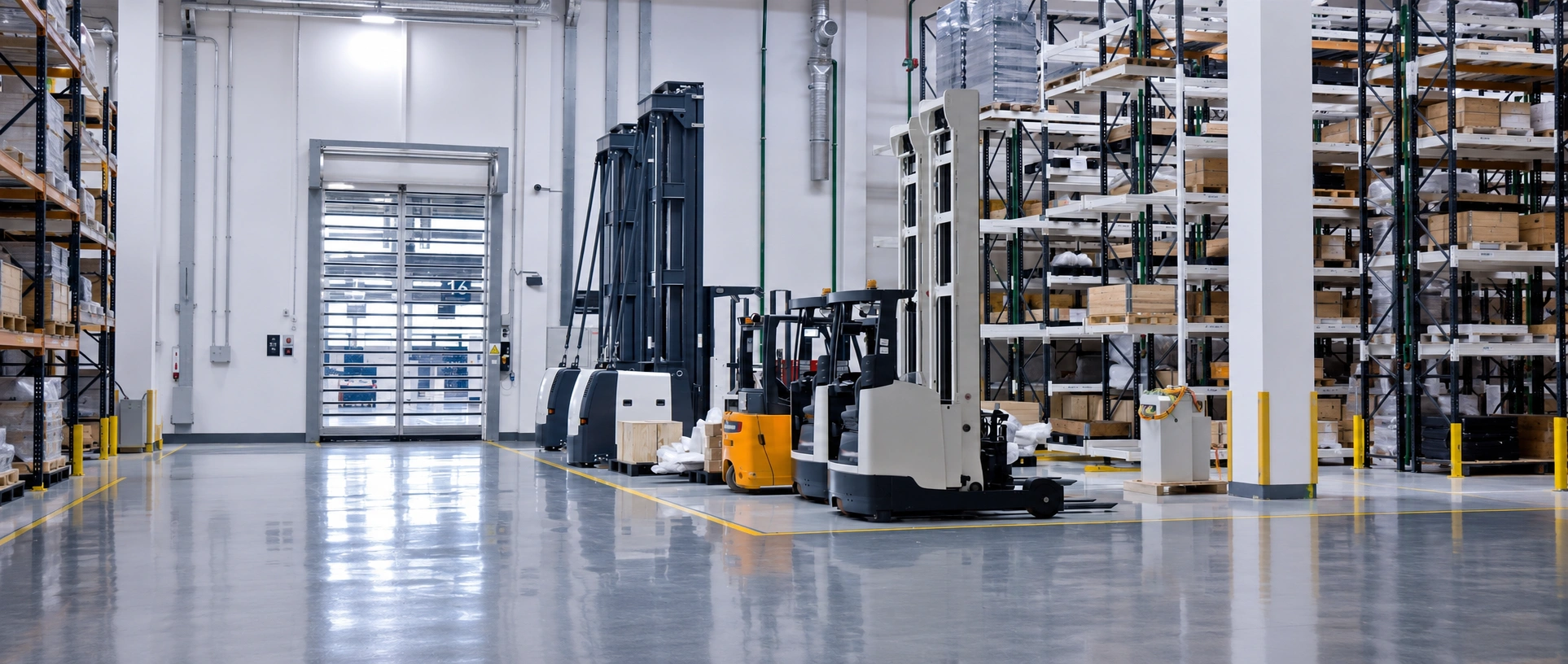
Warehouse automation is changing the performance and integration requirements for lithium forklift batteries.
More warehouses are adopting automated forklifts, smart fleet systems, and connected equipment to improve efficiency and reduce downtime. However, automation also changes how batteries are expected to perform. In traditional operations, buyers often focus on basic factors such as voltage, capacity, and operating hours. For automated warehouses, these factors are still important, but they are no longer enough.
Battery runtime, charging strategy, communication capability, and monitoring data are becoming key considerations when selecting a lithium forklift battery.
This article explains how warehouse automation is changing lithium forklift battery selection and what buyers should evaluate before choosing a battery solution.Traditional vs. Automated Warehouse Battery Selection: What Has Changed?
Battery selection requirements are evolving as warehouses move from manually managed forklift operations toward more automated and connected workflows.
| Battery Selection Factor | Traditional Forklift Operations | Automated Warehouse Operations |
| Runtime planning | Based mainly on shift hours | Based on task cycles, workload, and operating patterns |
| Charging approach | Usually managed by operators | Needs to match workflow schedules and charging windows |
| Battery data | Mainly used by drivers | Can support fleet monitoring and equipment decisions |
| Equipment operation | Vehicles may work more independently | Vehicles often operate within connected workflows |
| Selection priority | Basic compatibility and daily operation | Performance, integration, and long-term availability |
For automated warehouses, lithium forklift battery selection requires a broader evaluation beyond basic compatibility.
The following sections explain how automation is changing battery capacity planning, charging strategy, communication requirements, and long-term reliability considerations.
Match Lithium Forklift Battery Capacity to Automated Duty Cycles
In automated warehouse operations, lithium forklift battery capacity selection should be based on actual working conditions rather than only the original battery specification.
Voltage, Ah rating, battery size, and target runtime provide the starting point for evaluation. However, automated operations require a closer look at how the forklift performs throughout the day, including task cycles, travel distance, lifting frequency, and available charging windows.
The key question is no longer only: "Can the battery last one shift?"
It becomes: "Can the battery support the planned workload without interrupting the operation?"
What Determines the Required Battery Capacity
A suitable lithium forklift battery configuration depends on several operating factors:
| Factor | Why It Matters |
| Travel distance | Longer routes increase daily energy consumption |
| Load weight | Higher loads require more power during acceleration and lifting |
| Lifting frequency | Repeated lifting operations can significantly affect energy use |
| Task cycle frequency | More cycles increase total battery demand |
| Operating hours | Longer operation requires more usable energy |
| Idle and charging windows | Available charging opportunities affect the required capacity |
Before selecting a lithium forklift battery for warehouse automation, buyers should collect practical operation data, including:
- Forklift model and battery compartment size
- Daily operating hours
- Average and maximum load
- Travel distance
- Number of operating cycles
- Charging method and available charging time
This information helps determine whether the battery configuration can support the actual workflow.
Battery capacity is the starting point of the selection process. The next step is ensuring the charging strategy can support the same operating requirements.
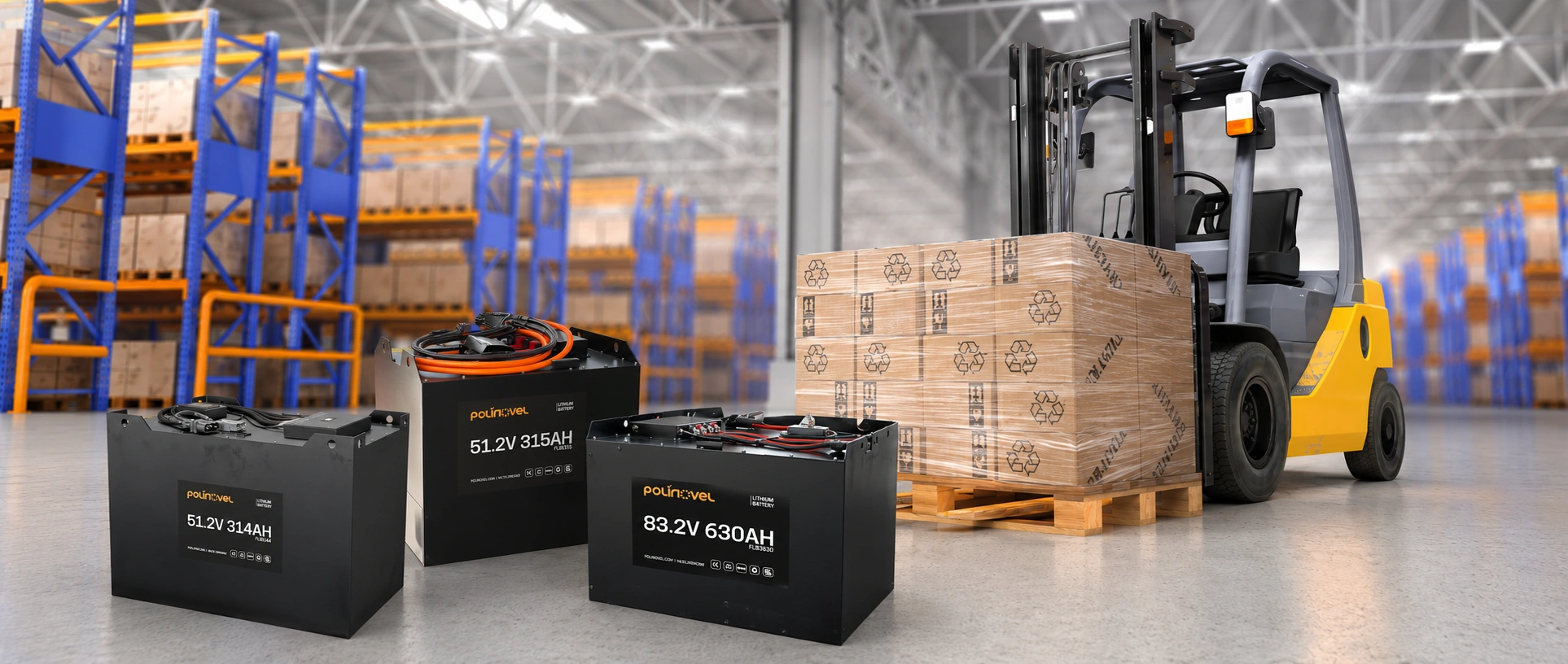
Plan Lithium Forklift Battery Charging Strategy Around Warehouse Workflow
Once the required battery capacity has been evaluated, the next question is how that energy will be restored during daily operation.
End-of-shift charging may be sufficient for fleets with long, planned downtime. Higher-utilization operations may instead rely on shorter charging windows between tasks, during breaks, or at scheduled parking points.
Charging therefore needs to be planned as part of the warehouse workflow. Task schedules, charger availability, site power capacity, and the number of vehicles charging at the same time all influence the final strategy.
The goal is not simply to charge faster. It is to make sure the lithium forklift battery charging strategy matches the way the equipment operates.
Key Factors in Automated Forklift Charging Planning
| Charging Factor | Why It Matters |
| Charging window | Determines how much energy can be recovered between operating periods |
| Charger power | Affects how quickly batteries can return to service |
| Number of chargers | Influences whether multiple forklifts can charge without delays |
| Operating schedule | Helps determine when charging should take place |
| Battery capacity | Affects charging frequency and downtime requirements |
| Site power availability | Ensures the charging system matches facility conditions |
Depending on the operation model, companies may use end-of-shift charging, opportunity charging, or automated charging solutions.
Different warehouse workflows may require different charging methods.
For high-utilization operations, opportunity charging can help maintain equipment availability by using planned short charging periods. However, the charging approach should always match the battery configuration and daily operating pattern.
Why Battery and Charger Selection Should Be Planned Together
A common mistake is selecting the battery first and considering the charger later. In practice, battery capacity and charging infrastructure affect each other.
For example:
- A smaller battery may require more frequent charging.
- With the same charger output and a similar starting SOC, a larger-capacity battery generally requires a longer charging period.
- A high-power charger may not be effective if site power capacity is limited.
- Too few chargers may create waiting time during busy periods.
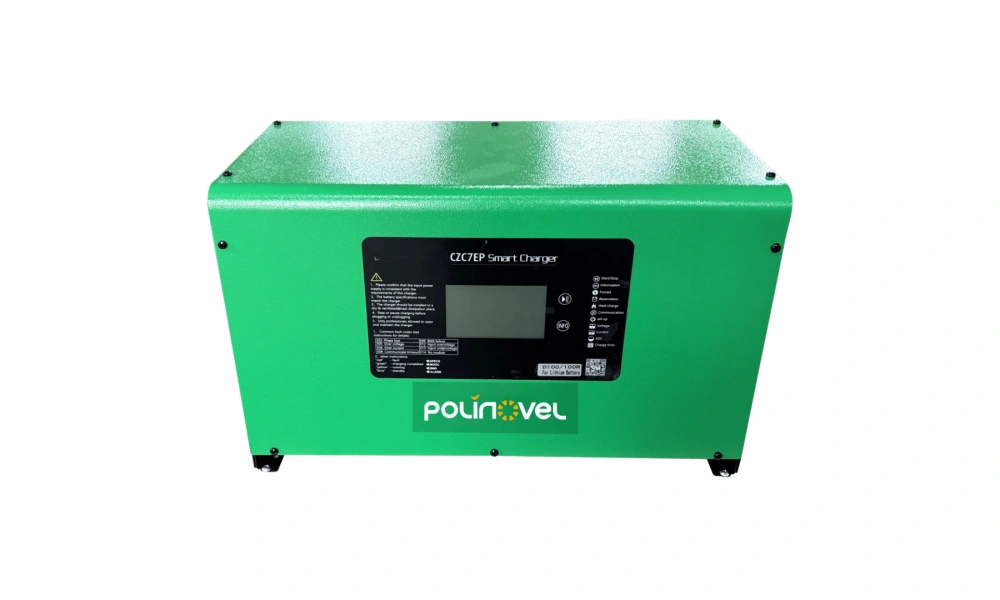
Connect Battery Data with Forklift and Fleet Systems
In connected material handling systems, battery information becomes part of daily equipment management.
Data such as SOC, temperature, alarms, and charging status can support decisions made by vehicle controllers, chargers, and fleet management platforms.
The lithium forklift battery therefore becomes both a power source and a data source within the material handling system.
Why Battery Information Matters in Automated Operations
Battery data helps provide better visibility into daily equipment operation.
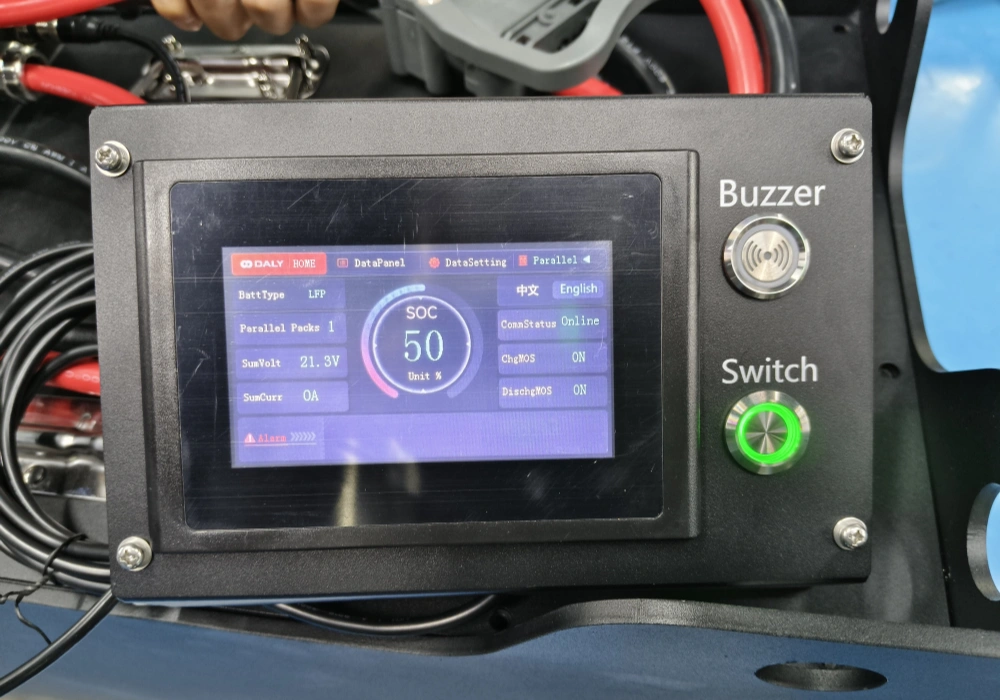
Key information may include:
- SOC (State of Charge) - shows remaining available energy and helps evaluate whether a forklift can continue planned tasks.
- SOH (State of Health) - provides an estimated indication of battery condition and performance degradation over time, supporting maintenance and replacement planning.
- Voltage, current, and temperature data - help monitor operating conditions and identify abnormal situations.
- Alarm and charging records - support troubleshooting and maintenance planning.
With this information, operators can better understand:
- Which forklifts are ready for operation
- Which batteries require charging
- Which units may need inspection
- Whether equipment performance changes over time
Communication Requirements Should Be Confirmed Before Integration
For automated forklift applications, communication capability is an important part of battery selection. However, compatibility is not determined only by whether a battery supports Controller Area Network (CAN) communication. Different forklift platforms may have different:
- Communication protocols
- Message structures
- Required signals
- Controller requirements
Depending on the application, battery communication may need to connect with:
- Forklift controller
- Battery Charger
- Vehicle display
- Fleet management system
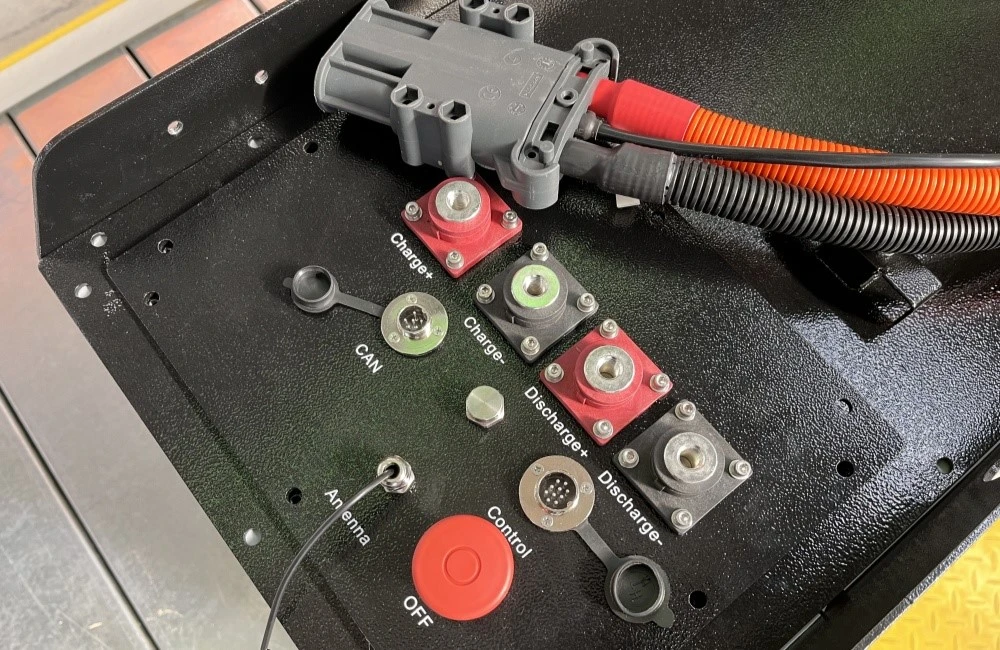
Before selecting a lithium forklift battery, buyers should confirm:
- Forklift brand and model
- Controller information
- Charger requirements
- Required communication signals
- Integration expectations
A battery supplier with customization capability can help ensure the battery system matches the equipment platform and operating requirements.
Maintain Reliable Performance in Automated Operations
In automated material handling environments, battery reliability affects not only individual vehicle performance, but also the availability of scheduled workflows.
Unexpected battery issues such as unstable power output, communication faults, or thermal alarms can interrupt planned tasks and reduce fleet availability.
For this reason, lithium forklift battery reliability should be evaluated as part of the overall warehouse operation rather than only as a battery performance factor.
Stable Performance During Repeated Operations
Automated forklifts often complete repetitive tasks with limited variation, including:
- Pallet movement
- Rack handling
- Material transfer
- Continuous warehouse circulation
Unlike occasional operation, these tasks require predictable battery performance over many cycles. Battery selection should consider:
- Consistent power output
- Suitable discharge capability
- Performance under different load conditions
- Stable operation throughout daily cycles
Meeting nominal voltage and capacity requirements does not by itself confirm that a battery is suitable for continuous automated operation.
Mechanical Protection for Daily Industrial Use
Automation does not remove physical challenges from warehouse environments. Forklift batteries may still experience:
- Vibration and mechanical shock during travel
- Frequent acceleration, braking and direction changes
- Stress on mounting points and electrical connections
- Dust, moisture and temperature fluctuations
Therefore, battery design should include considerations such as:
- Robust enclosure structure
- Secure internal fixation
- Protected connectors
- A thermal management approach matched to the battery design, workload, and operating environment. Depending on the application, this may involve passive cooling, forced-air cooling, or liquid cooling.
These details help improve durability during long-term operation.
Reliability Means Fewer Operational Interruptions
For automated warehouses, the goal is not simply to avoid battery failure. It is to maintain predictable operation. A reliable lithium forklift battery helps reduce risks such as:
- Unexpected equipment downtime
- Unplanned maintenance
- Charging interruptions
- Reduced fleet efficiency
This is why battery selection should consider not only capacity and communication features, but also how the battery performs throughout its operating life.
What Buyers Should Confirm Before Selecting a Lithium Forklift Battery
The forklift model is the starting point, but it does not define the complete battery requirement. For automated warehouse projects, battery configuration also depends on operating patterns, charging workflow, communication needs, and environmental conditions.
The checklist below brings these project requirements together.
| Information to Confirm | Why It Matters |
| Forklift brand and model | Helps evaluate forklift compatibility and system requirements |
| Duty cycle and task frequency | Determines actual energy demand during daily operation |
| Daily operating hours | Helps estimate required battery runtime |
| Average and peak load | Affects continuous and peak power requirements |
| Travel distance and lifting frequency | Influences overall battery consumption |
| Battery voltage and compartment requirements | Ensures electrical and mechanical compatibility |
| Available charging windows | Helps determine suitable charging strategy |
| Charging method and charger information | Ensures battery and charging system compatibility |
| Number of operating vehicles | Helps evaluate fleet charging requirements |
| Communication requirements | Determines whether CAN or other signals need to be matched |
| Monitoring requirements | Defines the required battery data visibility, such as SOC and alarms |
| Operating temperature and environment | Helps determine protection and thermal management |
| Vibration, dust and moisture conditions | Influences battery structure and protection |
| Future fleet expansion plans | Helps avoid limitations in future operations |
A complete understanding of the application helps suppliers recommend a lithium forklift battery configuration that matches the actual operating needs.
Voltage and capacity remain essential, but they do not define a complete battery solution for an automated warehouse. The final configuration also needs to match task cycles, charging windows, communication requirements, and long-term fleet availability.
The right battery should fit both the forklift and the workflow around it.
Planning a lithium forklift battery upgrade for an automated warehouse? Share your forklift model, operating conditions, and charging requirements with Polinovel. Our team can help evaluate the suitable battery configuration, communication needs, and application requirements for your project.


