


Overview of Lithium Ion Battery Packs in Material Handling Equipment
Lithium Ion Battery Packs in Electric Forklifts, AGVs, Pallet Trucks, and Order Pickers
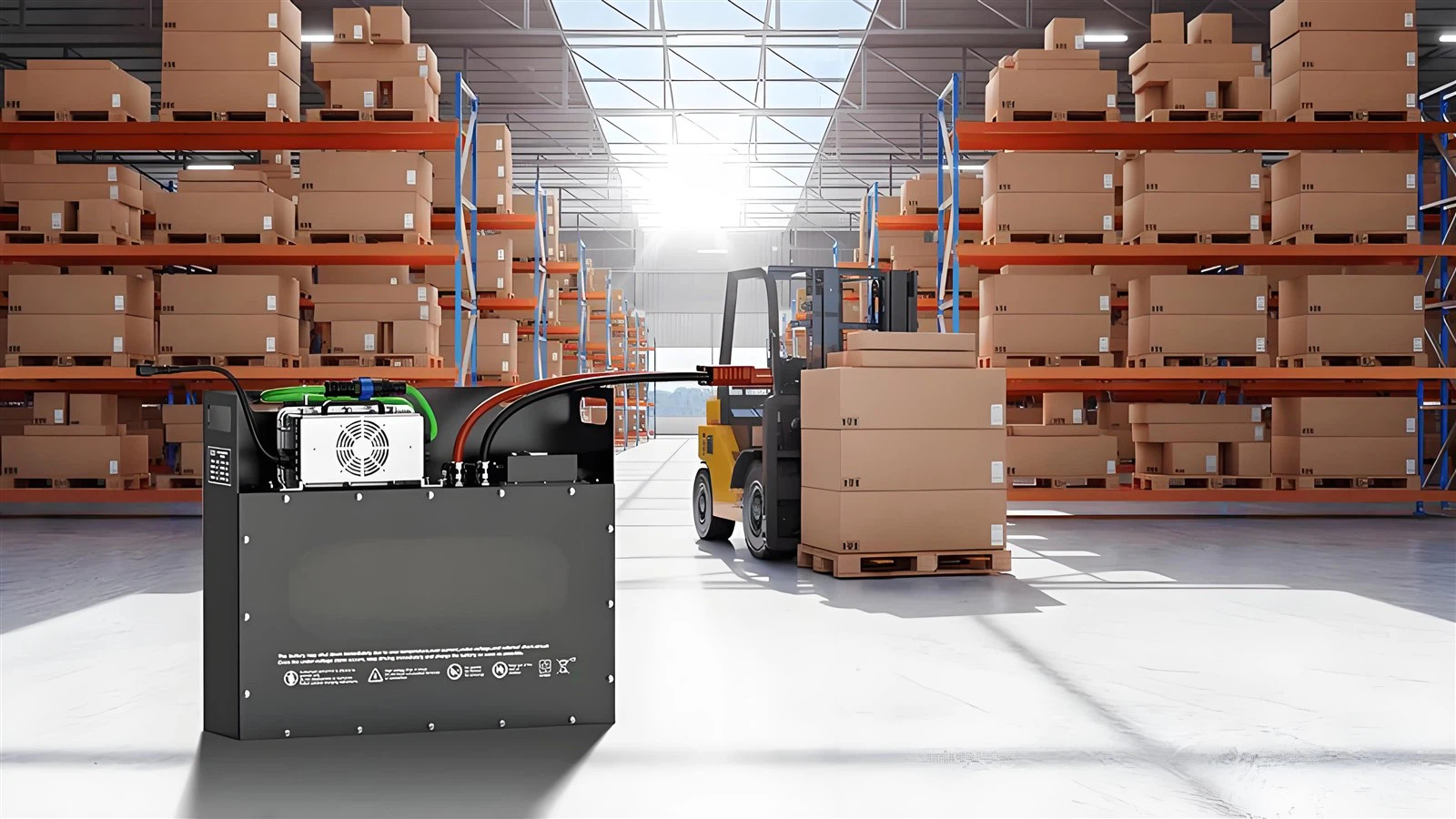
Overview of Lithium Ion Battery Packs in Material Handling
The material handling industry has witnessed a significant transformation with the adoption of lithium ion battery packs. These advanced energy storage solutions are revolutionizing the operation of electric forklifts, automated guided vehicles (AGVs), pallet trucks, and order pickers, offering unprecedented efficiency, reliability, and sustainability.
Lithium ion battery packs are becoming the preferred power source for material handling equipment due to their superior performance characteristics compared to traditional lead-acid batteries. They provide higher energy density, faster charging capabilities, longer lifespans, and lower maintenance requirements, making them ideal for demanding industrial applications.
This guide explores the various applications of lithium ion battery packs in material handling equipment, delves into the underlying technology, compares them with other battery types, and highlights the benefits they offer. Additionally, it provides insights into maintenance best practices and safety considerations to ensure optimal performance and longevity.
We offer a comprehensive service
In addition to the regular products that we already produce
Market Growth
The global market for lithium ion battery packs in material handling equipment is projected to grow at a CAGR of over 15% from 2023 to 2030, driven by increasing demand for automation and sustainability.
Energy Efficiency
Lithium ion battery packs offer up to 95% charge and discharge efficiency, significantly higher than lead-acid batteries, which typically achieve only 70-80% efficiency.
Fast Charging
Rapid charging capabilities allow lithium ion battery packs to reach 80% state of charge in as little as 30 minutes, enabling multi-shift operations without downtime.
Applications in Material Handling Equipment
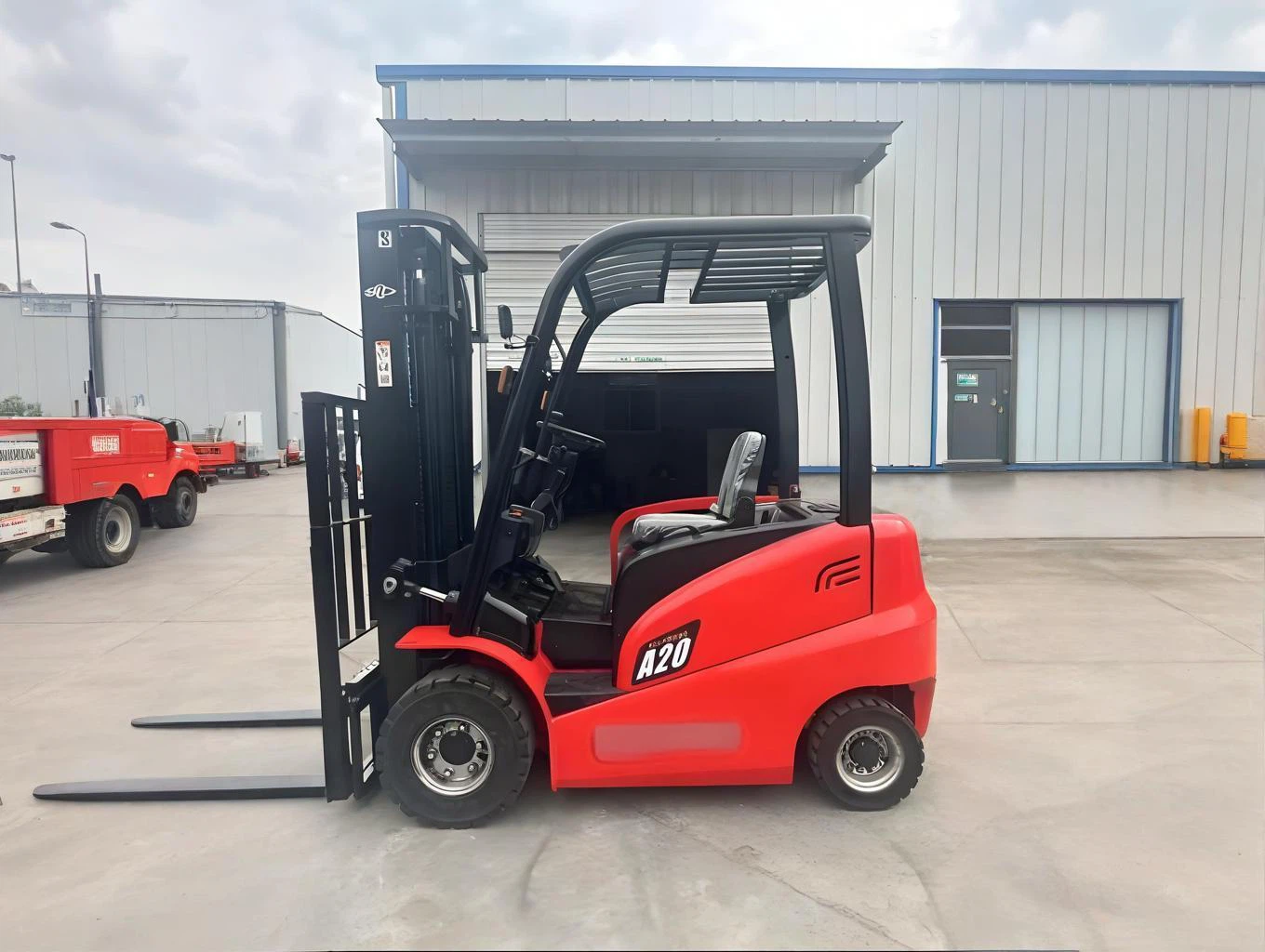
Electric Forklifts
Lithium ion battery packs are increasingly powering electric forklifts, providing consistent power throughout the discharge cycle, eliminating battery swapping, and reducing downtime.

Automated Guided Vehicles (AGVs)
AGVs rely on lithium ion battery packs for their high energy density and ability to support continuous operation with opportunity charging, making them ideal for automated warehouses.

Pallet Trucks
Lithium ion batteries enable pallet trucks to operate efficiently for longer periods with faster charging, reducing downtime and improving productivity.

Order Pickers
Order pickers equipped with lithium ion battery packs offer enhanced maneuverability and longer runtimes, optimizing order fulfillment processes.

Warehouse Automation
Lithium ion battery packs are integral to warehouse automation, powering a variety of equipment for seamless and efficient operations.

Port Logistics
In port logistics, lithium ion batteries power heavy-duty equipment, providing reliable energy for continuous operation in demanding environments.
Lithium Ion Battery Pack Technology
How Lithium Ion Batteries Work
Lithium ion batteries are rechargeable batteries that use lithium ions as the primary component of their electrolyte. During charging, lithium ions move from the cathode to the anode through the electrolyte; during discharge, they move back from the anode to the cathode, creating an electric current.
The key components of a lithium ion battery pack include the cathode (typically a lithium metal oxide), the anode (usually graphite), the electrolyte (a lithium salt in an organic solvent), and a separator to prevent short circuits. These components work together to enable the flow of ions and electrons, storing and releasing energy efficiently.
Key Chemical Compositions
| Cathode Material | Abbreviation | Key Characteristics |
|---|---|---|
| Lithium Cobalt Oxide | LCO | High energy density, commonly used in consumer electronics |
| Lithium Manganese Oxide | LMO | Good thermal stability and power performance |
| Lithium Iron Phosphate | LiFePO4 or LFP | Long cycle life, high safety, and thermal stability |
| Lithium Nickel Manganese Cobalt Oxide | NMC | Balanced energy density, power, and cycle life |
For material handling applications, Lithium Iron Phosphate (LiFePO4) is often the preferred choice due to its long cycle life, high thermal stability, and enhanced safety features. These batteries can withstand frequent charging and discharging cycles, making them ideal for industrial equipment that operates multiple shifts daily.

Lithium Ion Battery Structure
A typical lithium ion battery pack consists of multiple cells connected in series and parallel configurations to achieve the desired voltage and capacity. Each cell contains a cathode, anode, electrolyte, and separator.
Battery Management System (BMS)
Monitors and manages battery performance, including charging, discharging, and cell balancing.
Thermal Management
Ensures optimal operating temperatures through cooling or heating systems as needed.
Battery Management Systems (BMS)
A critical component of lithium ion battery packs is the Battery Management System (BMS). The BMS plays a vital role in ensuring the safety, performance, and longevity of the battery pack.
State of Charge (SOC) Monitoring
Accurately measures the remaining battery capacity, allowing operators to plan charging cycles and avoid over-discharging.
Thermal Management
Monitors battery temperature and activates cooling or heating systems to maintain optimal operating conditions.
Cell Balancing
Ensures all cells in the battery pack are charged and discharged evenly, extending overall battery life.
--Advanced BMS technology also provides diagnostic capabilities, allowing operators to monitor battery health, predict maintenance needs, and troubleshoot issues remotely. This level of control and insight is critical for maximizing the efficiency and lifespan of lithium ion battery packs in material handling equipment.
Charging Technologies
Lithium ion battery packs support various charging methods, each offering different speeds and efficiencies. The choice of charging technology depends on the application requirements and operational constraints.
Standard Charging
Typically takes 6-8 hours to fully charge a battery pack. Suitable for equipment with overnight charging cycles.
Fast Charging
Can charge a battery pack to 80% in 1-2 hours. Ideal for multi-shift operations where downtime must be minimized.
Opportunity Charging
Short charging sessions during breaks or idle periods, allowing continuous operation without dedicated charging cycles.
Wireless Charging
Emerging technology that enables contactless charging, ideal for fully automated systems where human intervention is minimized.
Energy Density and Efficiency
Lithium ion battery packs offer significantly higher energy density compared to traditional lead-acid batteries. This means they can store more energy in a smaller and lighter package, making them ideal for mobile material handling equipment.
Energy Density Comparison

Lead-Acid: 30-50 Wh/kgLithium Ion: 100-260 Wh/kg
Efficiency Comparison

Lead-Acid: 70-80%Lithium Ion: 95%
The high efficiency of lithium ion battery packs means less energy is wasted during charging and discharging cycles. This not only reduces operational costs but also contributes to a more sustainable and environmentally friendly material handling operation.
Comparison with Other Battery Technologies
| Battery Type | Energy Density (Wh/kg) | Cycle Life | Charging Time | Maintenance | Self-Discharge Rate | Environmental Impact |
|---|---|---|---|---|---|---|
| Lead-Acid | 30-50 | 300-500 cycles | 8-10 hours | High (watering, equalization) | 2-5% per month | High (heavy metals, acid) |
| Lithium Ion (LiFePO4) | 100-150 | 2000-3000 cycles | 1-3 hours (fast charging) | Low (no watering, minimal maintenance) | 0.3-3% per month | Low (recyclable components) |
| Nickel-Metal Hydride (NiMH) | 60-120 | 500-1000 cycles | 2-4 hours | Moderate (memory effect mitigation) | 1-3% per day | Moderate (heavy metals) |
| Nickel-Cadmium (NiCd) | 40-60 | 1000-2000 cycles | 1-2 hours | High (memory effect, watering) | 1-2% per day | High (toxic cadmium) |
*Values are approximate and can vary based on specific battery models and usage conditions.
Energy Density
Lithium ion battery packs offer 2-3 times higher energy density than lead-acid batteries, enabling longer runtimes with smaller, lighter batteries.

Cycle Life
Lithium ion batteries can last 5-10 times longer than lead-acid batteries in terms of charge cycles, reducing replacement frequency and costs.

Charging Speed
Lithium ion batteries can be fast charged in a fraction of the time required for lead-acid batteries, minimizing downtime.

Total Cost of Ownership (TCO)
While the upfront cost of lithium ion battery packs is higher than lead-acid batteries, the total cost of ownership over the lifespan of the battery is significantly lower. This is due to their longer cycle life, reduced maintenance requirements, and higher efficiency.

Lower Maintenance Costs
Lithium ion batteries eliminate the need for regular watering, equalization charging, and acid handling, reducing maintenance labor and material costs.
Reduced Downtime
Fast charging and opportunity charging capabilities minimize equipment downtime, increasing productivity and operational efficiency.
Longer Lifespan
With 2-3 times more charge cycles than lead-acid batteries, lithium ion battery packs reduce replacement frequency and associated costs.
Benefits of Lithium Ion Battery Packs in Material Handling
Higher Productivity
Fast charging and opportunity charging capabilities allow equipment to operate longer with minimal downtime, increasing overall productivity.
Lower Operational Costs
Reduced energy consumption, longer lifespan, and minimal maintenance requirements result in significant cost savings over time.
Simplified Operations
Eliminates the need for battery rooms, swapping equipment, and associated infrastructure, streamlining warehouse operations.
Environmental Sustainability
Lower energy consumption, reduced greenhouse gas emissions, and recyclable components contribute to a greener operation.
Enhanced Safety
No acid spills, reduced risk of explosions, and advanced BMS safety features make lithium ion batteries safer for operators.
Consistent Performance
Maintains constant voltage throughout the discharge cycle, ensuring consistent equipment performance until fully depleted.
Case Study: Warehouse Efficiency Improvement
A large distribution center switched from lead-acid batteries to lithium ion battery packs in their fleet of electric forklifts and pallet trucks. The results were dramatic:
30% Increase in Productivity
Due to reduced charging time and elimination of battery swapping downtime.
45% Reduction in Energy Costs
Higher charging efficiency and opportunity charging reduced overall energy consumption.
60% Decrease in Maintenance Costs
Eliminated watering, equalization charging, and reduced battery replacements.
20% Reduction in Warehouse Space
No longer needed for battery storage and charging infrastructure.

Maintenance and Best Practices
Lithium Ion Battery Maintenance
One of the key advantages of lithium ion battery packs is their low maintenance requirements compared to traditional lead-acid batteries. However, following best practices ensures optimal performance and longevity.
Charging Best Practices
Charge the battery pack before it drops below 20% state of charge (SOC)
Avoid frequent deep discharges, as they can reduce battery life
Use a compatible charger specifically designed for lithium ion batteries
Do not leave the battery fully charged for extended periods
Take advantage of opportunity charging during breaks or downtime
General Maintenance
Keep the battery clean and free of debris
Inspect battery connections regularly for tightness and corrosion
Store batteries in a cool, dry place when not in use
Follow manufacturer recommendations for temperature limits
Periodically check BMS functionality and software updates
Battery Storage
Proper storage of lithium ion battery packs is essential to maintain their health and performance, especially during extended periods of inactivity.
Temperature Control
Store batteries in a temperature-controlled environment between 20°C and 25°C (68°F and 77°F) to minimize self-discharge and degradation.
State of Charge (SOC)
For long-term storage, maintain the battery at approximately 50% SOC to reduce stress on the cells.
Regular Checkups
For batteries in storage, check the SOC monthly and recharge if it drops below 40%.
Avoid Extreme Conditions
Do not store batteries in areas prone to extreme temperatures, humidity, or direct sunlight.
Battery Lifespan and Replacement
Understanding the factors that affect battery lifespan and knowing when to replace batteries is crucial for maintaining operational efficiency and safety.
Typical Lifespan
Lithium ion battery packs typically last 5-10 years or 2000-3000 charge cycles, depending on usage and maintenance.
Capacity Degradation
Over time, battery capacity will degrade. Consider replacement when capacity drops below 80% of the original rating.
Performance Monitoring
Use BMS data to monitor battery health and predict replacement needs based on cycle count and capacity degradation.
Proper Disposal
Follow local regulations for battery disposal or recycling. Many manufacturers offer battery recycling programs.
Maintenance Schedule
Establishing a regular maintenance schedule ensures that lithium ion battery packs remain in optimal condition throughout their lifespan.
| Maintenance Task | Frequency | Description |
|---|---|---|
| Visual Inspection | Daily | Check for physical damage, loose connections, and signs of overheating or swelling. |
| State of Charge (SOC) Check | Daily | Monitor SOC using BMS display to ensure it remains within optimal operating range. |
| Clean Battery Exterior | Weekly | Remove dirt and debris using a dry or slightly damp cloth. |
| Check Charger Functionality | Monthly | Inspect charger for damage, ensure proper connection, and verify charging performance. |
| BMS System Check | Quarterly | Review BMS logs for any error codes, temperature anomalies, or cell imbalance issues. |
| Battery Capacity Test | Annually | Perform a full charge/discharge cycle to measure actual capacity versus rated capacity. |
| Firmware Update | As Needed | Update BMS firmware to the latest version provided by the manufacturer. |
Safety Considerations for Lithium Ion Batteries
Lithium ion batteries are generally safe when used and maintained properly. However, like any energy storage system, they require adherence to safety guidelines to prevent potential risks.
Key Safety Features
Battery Management System (BMS) with overcharge, over-discharge, and overcurrent protection
Thermal management systems to prevent overheating
Safety vents to release pressure in case of thermal runaway
Cell balancing to ensure uniform charging and discharging
Flame-retardant materials in battery enclosures
Potential Risks
Thermal runaway: Caused by overheating, overcharging, or physical damage
Short circuit: Can occur due to damaged insulation or improper handling
Overcharging: Can lead to electrolyte decomposition and increased risk of fire
Physical damage: Punctures, crushing, or impacts can compromise battery integrity
Handling and Storage Safety
Always handle batteries with clean, dry hands to prevent contamination
Store batteries in a cool, dry place away from flammable materials
Avoid exposing batteries to extreme temperatures or direct sunlight
Keep batteries away from metal objects that could cause short circuits
Use approved storage containers for damaged or defective batteries
Charging Safety
Use only chargers specifically designed for lithium ion batteries
Never leave batteries unattended while charging
Ensure proper ventilation during charging to prevent heat buildup
Do not charge damaged batteries or those with swollen cells
Follow manufacturer guidelines for charging voltage and current
Emergency Response
In case of fire, use a Class D fire extinguisher or dry sand
Evacuate the area and contact emergency services immediately
For minor leaks or spills, wear protective gear and contain the area
Do not attempt to disassemble or repair damaged batteries
Train employees on battery safety protocols and emergency procedures
Regulatory Compliance
Compliance with relevant regulations and standards is essential to ensure the safe use and handling of lithium ion battery packs in material handling equipment.
International Standards
UN 38.3: Safety testing for lithium batteries during transport
IEC 62619: Safety requirements for industrial applications
ISO 12405: Electrically propelled industrial trucks safety
Regional Regulations
EU Battery Directive: Environmental requirements for batteries
US OSHA Standards: Workplace safety for battery handling
China GB Standards: National safety standards for batteries
Industry-Specific Requirements
UL 2580: Standard for stationary energy storage systems
NFPA 70: National Electrical Code (NEC)
CE Marking: Conformity with European health, safety, and environmental protection standards
Important Compliance Note
It is the responsibility of equipment operators and facility managers to ensure compliance with all applicable regulations and standards. Regular training and audits are essential to maintain a safe working environment.
FAQ

1. Rapid Battery Capacity Degradation
Problem Symptoms: Significantly reduced operating time, equipment requires frequent charging, noticeable decrease in runtime performance.
Solutions:
Avoid deep discharge cycles; maintain battery charge between 20%-80%
Control charging environment temperature within 0-45°C (32-113°F)
Use manufacturer-recommended chargers and charging parameters
Perform regular battery equalization charging
Maintain battery usage logs and replace aging batteries promptly
Implement proper storage procedures during extended downtime
2. Battery Overheating Issues
Problem Symptoms: Abnormal temperature rise in battery pack, thermal protection activation, sudden equipment shutdown during operation.
Solutions:
Ensure adequate ventilation space around battery compartments
Clean dirt and debris from battery cooling fins and fans
Verify Battery Management System (BMS) temperature sensors are functioning correctly
Avoid prolonged operation in high-temperature environments
Install additional cooling fans or thermal management systems
Check for blocked air vents or damaged cooling components
3. Charging Abnormalities or Failure to Charge
Problem Symptoms: Abnormal charging indicator lights, extended charging times, complete inability to accept charge.
Solutions:
Verify charger output voltage and current meet specifications
Clean charging contacts and ensure proper connection
Inspect charging cables for damage or wear
Reset the Battery Management System (BMS)
Check internal fuses within the battery pack
Replace faulty chargers or contact professional service technicians
Validate charging sequence and protocol compliance
4. Battery Pack Voltage Imbalance
Problem Symptoms: Significant voltage differences between individual cells, reduced overall performance and safety concerns.
Solutions:
Perform regular battery equalization charging (typically monthly)
Verify BMS balancing function is operating correctly
Use professional equipment to measure individual cell voltages
Replace cells with excessive voltage deviation
Ensure all batteries are from the same batch and model
Monitor cell voltage trends over time
Consider upgrading to advanced BMS with active balancing
5. Sudden Power Loss or Insufficient Power Output
Problem Symptoms: Equipment loses power during operation, inability to provide adequate power for heavy-duty tasks, intermittent performance issues.
Solutions:
Inspect battery terminal connections for looseness or corrosion
Test battery pack internal resistance and replace high-resistance batteries
Check main circuit fuses and circuit breakers
Verify BMS protection settings aren't overly sensitive
Examine wiring between motor controller and battery pack
Ensure battery pack capacity matches equipment power requirements
Perform load testing under actual operating conditions
6. Premature Battery Life Reduction
Problem Symptoms: Battery pack requires replacement before expected lifespan, increased operational costs, declining performance metrics.
Solutions:
Establish proper charge/discharge protocols to prevent overcharging and over-discharging
Store and operate batteries within optimal temperature ranges
Implement regular preventive maintenance schedules
Train operators on proper equipment usage techniques
Maintain detailed battery health records and performance tracking
Select reliable battery suppliers with proven track records
Consider upgrading to advanced battery technologies or management systems
Implement battery rotation strategies for multiple-shift operations