


The technology, applications, and advantages of LFP batteries as the modern golf cart battery solution.

The Evolution of the Golf Cart Battery
For decades, lead-acid batteries dominated the golf cart industry, but technological advancements have introduced more efficient alternatives. Today, lithium iron phosphate (LiFePO4 or LFP) batteries are revolutionizing the golf cart battery landscape with superior performance, longer lifespan, and environmental benefits.
-
Longer Lifespan
-
Faster Charging
-
Lightweight Design
-
Environmentally Friendly
Fundamentals of Lithium Iron Phosphate Batteries
Understanding the core technology behind the modern golf cart battery
Chemical Composition & Structure
Lithium iron phosphate batteries, commonly abbreviated as LFP batteries, utilize a lithium-ion chemistry with iron phosphate (LiFePO4) as the cathode material. This composition differs significantly from other lithium-ion batteries, which may use cobalt, nickel, or manganese in their cathodes.
The anode in an LFP battery is typically made of graphite, while the electrolyte consists of a lithium salt suspended in an organic solvent. A separator allows lithium ions to move between the cathode and anode during charging and discharging cycles while preventing electrical short circuits.
This unique chemical structure gives the golf cart battery several advantages, including enhanced thermal stability and a lower risk of thermal runaway compared to other lithium-ion chemistries.
Working Principles
Like all rechargeable batteries, LFP batteries operate through an electrochemical reaction that allows for the storage and release of electrical energy.
Discharging: Lithium ions move from the anode to the cathode through the electrolyte, creating an electric current that powers the golf cart
Charging: An external power source reverses the process, pushing lithium ions back to the anode for storage
Energy Storage: The movement of ions creates a potential difference measured in volts, typically 3.2V per cell in LFP batteries

Key Advantage
The phosphate-based cathode in an LFP golf cart battery creates a more stable crystal structure, allowing for better performance under extreme temperatures and reducing the risk of thermal runaway compared to other lithium-ion technologies.
Comparison with Traditional Battery Technologies
| Characteristic | Lithium Iron Phosphate | Lead-Acid | Lithium-Ion (NMC) |
|---|---|---|---|
| Cycle Life | 2000-5000+ cycles | 300-500 cycles | 1000-2000 cycles |
| Energy Density | High | Low | Very High |
| Weight | 30-50% lighter than lead-acid | Heavy | Lightweight |
| Charging Time | 2-4 hours | 8-12 hours | 1-3 hours |
| Depth of Discharge | 80-100% | 50-70% (optimal) | 80-100% |
| Temperature Tolerance | Excellent | Poor | Good |
| Cost (Initial) | High | Low | Very High |
| Cost (Lifecycle) | Low | High | Medium |
| Environmental Impact | Low (no heavy metals) | Low (no heavy metals) | High (contains lead) |
For golf cart applications, the LFP battery provides an optimal balance of performance, safety, and cost-effectiveness over the long term. While the initial investment is higher than lead-acid, the extended lifespan and lower maintenance requirements make the LFP golf cart battery a superior choice for most applications.
Manufacturing Process of LFP Golf Cart Batteries
The intricate steps behind creating a high-quality golf cart battery
Raw Material Preparation
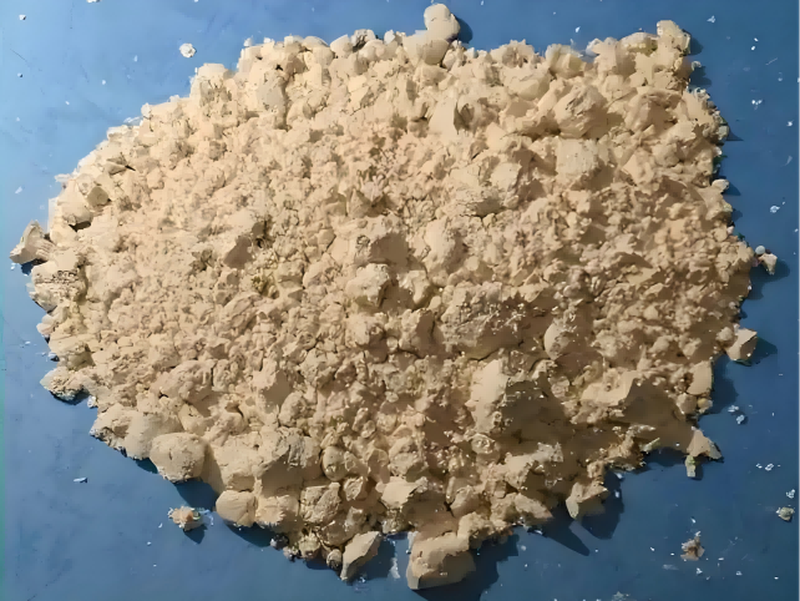
The production of a lithium iron phosphate golf cart battery begins with the careful selection and preparation of raw materials. This includes lithium carbonate or lithium hydroxide, iron phosphate, and various additives. These materials are purified to remove impurities that could affect battery performance.
The materials are then mixed in precise proportions to create the cathode powder. This mixture is often ball-milled to achieve a uniform particle size, which is critical for consistent performance in the final golf cart battery.
Electrode Manufacturing
For the cathode, the prepared LFP powder is mixed with a binder material and solvent to form a slurry. This slurry is coated onto a thin aluminum foil current collector, which is then dried to remove the solvent.
The anode is typically made by coating graphite slurry onto a copper foil current collector. Both electrodes undergo a calendaring process to compress the material, ensuring optimal density and electrical conductivity – essential characteristics for a high-performance golf cart battery.

Cell Assembly
The electrodes are cut into precise sizes and stacked or wound together with a porous separator material between them to prevent short circuits. This electrode assembly is inserted into a cell casing, which can be cylindrical, prismatic, or pouch-style depending on the golf cart battery design.
The casing is then filled with electrolyte – a lithium salt dissolved in an organic solvent that allows for the movement of lithium ions between the cathode and anode. Finally, the cell is hermetically sealed to prevent electrolyte leakage.

Formation and Testing
The newly assembled cells undergo a formation process – the first charge-discharge cycle that activates the electrochemical properties of the battery. This process forms a protective layer on the anode called the solid electrolyte interphase (SEI), which is crucial for long-term performance and safety.
Each cell is rigorously tested for capacity, voltage, internal resistance, and leakage. Defective cells are rejected to ensure only high-quality components are used in the final golf cart battery.

Module and Pack Assembly
For a golf cart battery, individual cells are grouped into modules, which are then combined into a complete battery pack. This configuration depends on the voltage and capacity requirements of the specific golf cart application.
The battery pack includes a Battery Management System (BMS) that monitors and balances cell voltages, controls charging and discharging, and provides safety protections. The BMS is critical for maximizing the performance, lifespan, and safety of the golf cart battery.

Quality Control in Golf Cart Battery Production
Material Testing
Raw materials undergo rigorous testing for purity, particle size distribution, and chemical composition to ensure they meet strict specifications for golf cart battery production.
Performance Testing
Each battery pack is tested under various conditions to verify capacity, discharge rates, charge acceptance, and performance at different temperatures – critical factors for a reliable golf cart battery.
Safety Testing
Batteries undergo stringent safety tests including overcharge, short circuit, thermal shock, vibration, and impact testing to ensure they meet international safety standards for golf cart applications.
Key Quality Standards
-
IEC 62133
-
UN38.3
-
UL 1642
-
UL 2580
LFP Golf Cart Battery Applications
Practical implementations and benefits in real-world scenarios

Golf Course Operations
On golf courses, the golf cart battery is a critical component that directly impacts operations and player experience. LFP batteries have transformed golf course fleets with their ability to provide consistent power throughout an entire day of operation without mid-day recharging.
Golf courses typically have 50-200 carts in their fleet, and the transition to LFP technology has resulted in significant operational improvements. The reduced weight of LFP batteries also reduces turf damage, a key concern for course maintenance.
All-day operation on a single charge
Reduced charging infrastructure needs
Lower maintenance requirements
Consistent power delivery from full to empty
Longer service life (5-7 years vs. 2-3 for lead-acid)

Residential & Community Use
In gated communities, retirement villages, and residential areas where golf carts serve as primary transportation, the LFP golf cart battery offers distinct advantages. Homeowners appreciate the convenience of less frequent charging and maintenance.
The compact size and lighter weight of LFP batteries make them easier to handle for individual owners, while their longer lifespan reduces the hassle and cost of frequent replacements.
Quiet operation with no gassing during charging
Can be safely charged in garages or under carports
Minimal maintenance compared to lead-acid
Consistent performance in varying temperatures
Reduced long-term ownership costs
Specialized Golf Cart Applications
Utility & Maintenance
Golf carts equipped with tools for course maintenance require reliable power for extended periods. The golf cart battery must support not just propulsion but also various electrical tools and equipment.
LFP batteries provide the consistent power output needed for these demanding applications, with the ability to handle the additional load of utility equipment without significant voltage drop.
Shuttle Services
Many resorts, airports, and large facilities use golf carts for passenger shuttle services. These applications demand maximum uptime and reliability from the golf cart battery throughout long operating days.
LFP batteries excel in these scenarios, providing consistent performance through multiple shifts with rapid recharging capabilities during brief downtimes between routes.
Racing & Recreation
Competitive golf cart racing requires maximum power output and lightweight components. The golf cart battery plays a critical role in determining speed, acceleration, and overall performance.
LFP batteries offer the ideal combination of high power density and low weight for racing applications, providing the quick acceleration and sustained power needed for competitive performance.
Case Study: Golf Course Fleet Conversion
A mid-sized golf course with 75 carts converted from lead-acid to LFP batteries in 2022. The results demonstrated significant operational and financial benefits of the new golf cart battery technology.
The golf course reported that the transition to LFP batteries eliminated the need for mid-day charging, reduced labor costs associated with battery maintenance, and improved customer satisfaction due to more reliable cart performance. The projected payback period for the investment in new golf cart battery technology was 2.3 years.

Performance Characteristics of LFP Golf Cart Batteries
Understanding the technical advantages that make LFP the superior golf cart battery
Energy Density & Capacity
One of the most significant advantages of an LFP golf cart battery is its higher energy density compared to traditional lead-acid batteries. This means it can store more energy in the same physical space, or provide the same energy in a smaller, lighter package.
Typical Capacity Ranges for Golf Cart Batteries
Standard Golf Carts: 40-100 Ah (at 48V)
Utility/Heavy-Duty Carts: 100-200 Ah (at 48V)
Long-Range Models: 200+ Ah (at 48V)
This increased capacity allows a golf cart battery to power a vehicle for 36-54 holes of golf on a single charge, compared to 18-36 holes for a typical lead-acid battery. For fleet operators, this means fewer charging cycles and more operational time.
Charge-Discharge Characteristics
The charge and discharge behavior of an LFP golf cart battery differs significantly from lead-acid, offering substantial practical advantages. LFP batteries can accept a much higher charge current, reducing charging time dramatically.

Charging
• 0-80%: 1-2 hours
• 80-100%: 1-2 hours
• Full charge: 2-4 hours
• No memory effect
Discharging
• Flat discharge curve
• Maintains voltage longer
• Can discharge to 100%
• No performance drop until nearly empty
48V Golf Cart Battery Capacity
For 48V golf cart battery systems, capacity determines your range and performance:
- 48V 60Ah: Suitable for light use (15-20 miles)
- 48V 100Ah: Standard applications (30-40 miles) ⭐ Most Popular
- 48V 105Ah: Heavy-duty use (35-45 miles)
- 48V 160Ah: Extended range (50+ miles)
A typical 48V 100Ah golf cart battery stores 5.12 kWh of energy, enough to power your cart for 7-9 rounds of 18-hole golf.
Temperature Performance
The LFP golf cart battery exhibits excellent performance across a wide temperature range, from -20°C to 60°C (-4°F to 140°F), making it suitable for diverse climates.
Unlike lead-acid batteries that suffer significant capacity loss in cold weather, LFP batteries maintain much of their performance in low temperatures. They also handle heat better, reducing the risk of thermal runaway compared to other lithium chemistries.
Cycle Life & Longevity
A key advantage of the LFP golf cart battery is its exceptional cycle life, typically 2000-5000 deep discharge cycles, compared to just 300-500 cycles for lead-acid batteries.
This translates to a service life of 5-7 years for most golf cart applications, versus 2-3 years for lead-acid. Even after thousands of cycles, LFP batteries retain 70-80% of their original capacity, providing reliable performance throughout their lifespan.
Weight & Space Efficiency
An LFP golf cart battery typically weighs 30-50% less than an equivalent lead-acid battery, reducing the overall weight of the golf cart.
This weight reduction improves energy efficiency, extends range, reduces wear on mechanical components, and decreases turf damage on golf courses. The more compact size also provides greater flexibility in battery placement and cart design.
Battery Management System (BMS) for Golf Cart Batteries
Every modern LFP golf cart battery includes a sophisticated Battery Management System (BMS) that monitors and protects the battery during operation. The BMS is critical for ensuring safety, maximizing performance, and extending battery life.
Key Functions of the BMS
Cell voltage monitoring and balancing
Charge and discharge current limiting
Temperature monitoring and thermal protection
Short circuit protection
Overcharge and deep discharge protection
State of Charge (SoC) estimation
Communication with vehicle systems

The BMS ensures safe and optimal operation of the golf cart battery under all conditions
Maintenance & Safety Guidelines
Proper care for your LFP golf cart battery
Maintenance Requirements
One of the major advantages of an LFP golf cart battery over traditional lead-acid batteries is its minimal maintenance requirements. Unlike lead-acid batteries that require regular watering, cleaning, and equalization charges, LFP batteries are virtually maintenance-free when properly used.
Regular Maintenance Tasks
Visual Inspection
Inspect the golf cart battery monthly for signs of damage, corrosion, or leakage. Check all connections to ensure they are tight and clean.
Clean Connections
If corrosion is present on terminals, clean with a solution of baking soda and water, then rinse and dry thoroughly.
Proper Storage
If storing the golf cart battery for extended periods (more than 30 days), ensure it is charged to 50-70% and stored in a cool, dry location.
Software Updates
For smart batteries, check periodically for BMS firmware updates that can improve performance and longevity.
Important Note
Never attempt to open or service the internal components of an LFP golf cart battery. These batteries contain hazardous materials and should only be serviced by trained professionals.
Safety Guidelines
While LFP batteries are inherently safer than many other lithium-ion chemistries, proper handling and usage are still essential to ensure safety. Following these guidelines will help prevent accidents and ensure the safe operation of your golf cart battery.
Do Not
• Disassemble or puncture the battery
• Expose to extreme heat or fire
• Short circuit the terminals
• Submerge in water
• Use damaged chargers
Do
• Use only manufacturer-approved chargers
• Charge in well-ventilated areas
• Keep away from flammable materials
• Inspect regularly for damage
• Follow proper disposal procedures
Emergency Procedures
If the battery is damaged or leaking:
Move the golf cart to a well-ventilated area away from ignition sources. Wear protective gloves and eyewear. Contact a professional for proper disposal. Do not touch leaked materials directly.
If the battery catches fire:
Use a Class D fire extinguisher or sand to extinguish the fire. Do not use water, as it may spread the fire. Evacuate the area and call emergency services. Allow the battery to cool completely before handling.
First aid for exposure to battery contents:
For skin contact: Rinse thoroughly with water for 15 minutes. For eye contact: Flush eyes with water for 15 minutes and seek medical attention immediately. If ingested: Do not induce vomiting, seek medical attention immediately.
Charging Best Practices for LFP Golf Cart Batteries
Charger Selection
Always use a charger specifically designed for LFP batteries. Using an incorrect charger can damage the golf cart battery, reduce its lifespan, or create safety hazards. Look for chargers with LFP-specific charging profiles.
Charging Schedule
Charge the golf cart battery after each day of use, even if not fully discharged. Avoid leaving the battery in a deeply discharged state for extended periods. Unlike lead-acid, LFP batteries do not suffer from memory effect and can be charged at any state of charge.
Charging Environment
Charge the golf cart battery in a cool, dry, well-ventilated area. Avoid charging in direct sunlight or extreme temperatures. While LFP batteries produce less gas than lead-acid during charging, proper ventilation is still recommended for safety.
Optimal Charging Parameters
Most LFP golf cart batteries charge best with the following parameters, though you should always follow the manufacturer's recommendations:
Charge Voltage (per cell)
3.5-3.6V
Float Voltage (per cell)
3.3-3.4V
Maximum Charge Current
0.5-1.0C
Temperature Range
0°C - 45°C
Environmental Impact & Future Trends
Sustainability aspects and emerging developments in golf cart battery technology
Environmental Benefits of LFP Golf Cart Batteries
The transition from lead-acid to LFP technology represents a significant step forward in reducing the environmental impact of the golf cart battery. From production to disposal, LFP batteries offer multiple sustainability advantages.
Reduced Toxic Materials
Unlike lead-acid batteries that contain highly toxic lead, LFP batteries are free from heavy metals. This eliminates the environmental risks associated with lead mining, processing, and battery disposal.
Longer Lifespan
The extended service life of an LFP golf cart battery (5-7 years vs. 2-3 years for lead-acid) reduces the frequency of battery replacements, resulting in less overall material consumption and waste generation.
Energy Efficiency
LFP batteries have higher charge-discharge efficiency (85-95% vs. 70-80% for lead-acid), meaning less energy is wasted during charging. This reduces the overall energy consumption associated with operating a golf cart battery.
Recyclability
While LFP battery recycling infrastructure is still developing, these batteries contain valuable materials (lithium, iron, copper, aluminum) that can be recovered and reused, creating a more circular economy for the golf cart battery.
Future Trends in Golf Cart Battery Technology
The golf cart battery market continues to evolve as technology advances and demand for more efficient, sustainable solutions grows. Several emerging trends are shaping the future of LFP batteries in golf cart applications.
Key Technological Developments
Increased Energy Density
Ongoing research is focused on improving the energy density of LFP batteries, which would allow for even smaller, lighter golf cart battery packs with the same or greater capacity.
Faster Charging
New electrode materials and cell designs are enabling LFP batteries to accept higher charge currents, potentially reducing charging times for the golf cart battery to under an hour.
Advanced BMS Technology
Next-generation Battery Management Systems will offer more precise monitoring, predictive maintenance capabilities, and integration with smart golf cart systems and fleet management software.
Solid-State Technology
Solid-state LFP batteries, which replace the liquid electrolyte with a solid material, promise even greater safety, energy density, and longevity for future golf cart battery applications.
Market Trends
Increasing adoption rate of LFP batteries in golf cart fleets
Falling prices as production scales and technology matures
Integration with renewable energy sources for charging
Development of standardized recycling processes for end-of-life batteries
The Future of Golf Cart Transportation
Sustainability Focus
Golf courses and communities are increasingly prioritizing sustainability, driving the adoption of LFP golf cart battery technology as part of broader environmental initiatives.
Smart Integration
Future golf carts will feature seamless integration between the golf cart battery, vehicle systems, and management software, enabling predictive maintenance, optimized performance, and efficient fleet management.
Energy Independence
Combined with solar charging stations, the modern golf cart battery will enable greater energy independence for golf courses and communities, reducing reliance on the electrical grid and lowering carbon footprints.
As battery technology continues to advance, the golf cart battery will play an increasingly important role in creating more sustainable, efficient, and enjoyable transportation experiences in golf and community settings.
Frequently Asked Questions

How long does an LFP golf cart battery last compared to lead-acid?
An LFP golf cart battery typically lasts 5-7 years under normal usage conditions, compared to 2-3 years for a lead-acid battery. This longer lifespan is due to LFP's superior cycle life – 2000-5000 deep discharge cycles versus 300-500 cycles for lead-acid. Even after these cycles, LFP batteries retain 70-80% of their original capacity, while lead-acid batteries often degrade to unusable levels much sooner.
Can l replace my lead-acid battery with an LFp golf cart battery?
Yes, in most cases you can replace a lead-acid battery with an LFP golf cart battery, but there are important considerations. You'll need to ensure the voltage and capacity are compatible with your golf cart. Additionally, you must use a charger specifically designed for LFP batteries, as lead-acid chargers have different charging profiles that can damage LFP batteries. Some carts may also require minor modifications to the battery compartment due to the different size and weight of LFP batteries.
How much range can l expect from an LFp golf cart battery?
The range of an LFP golf cart battery depends on several factors including battery capacity, cart weight, terrain, speed, and accessories used. A typical 48V, 100Ah LFP golf cart battery can provide 30-50 miles of range on a single charge, which is sufficient for 36-54 holes of golf. This is significantly more than the 15-30 miles typically provided by an equivalent lead-acid battery. The consistent power delivery of LFP batteries also means performance remains strong throughout the discharge cycle.
Are LFp golf cart batteries safe in extreme temperatures?
LFP golf cart batteries perform well across a wider temperature range than lead-acid batteries. They can operate effectively from approximately -20°C to 60°C (-4°F to 140°F). While cold temperatures do reduce capacity somewhat, the effect is less pronounced than with lead-acid batteries. The built-in BMS helps protect the battery from temperature extremes by adjusting charging and discharging parameters as needed. For optimal performance and longevity, however, storing and charging LFP batteries in moderate temperatures (15-25°C or 59-77°F) is recommended.
What is the cost difference between LFP and lead-acid golf cart batteries?
Initially, an LFP golf cart battery costs 2-3 times more than a comparable lead-acid battery. However, when considering the total cost of ownership over the battery's lifespan, LFP batteries are typically more economical. This is because they last 2-3 times longer, require less maintenance, reduce charging costs, and minimize downtime. For fleet operators, the longer lifespan and reduced maintenance requirements of LFP batteries result in lower labor costs and higher cart availability, further improving their economic advantage.
How should l dispose of an end-of-life LFp golf cart battery?
LFP golf cart batteries should be recycled at specialized battery recycling facilities, not disposed of in regular trash. While they contain no heavy metals like lead, they do contain valuable materials (lithium, iron, copper, aluminum) that can be recovered and reused. Many battery retailers and manufacturers offer take-back programs for end-of-life batteries. It's important to check with your local waste management authorities for specific recycling guidelines in your area, as regulations can vary by location.